

Welcome To Our Autumn Newsletter!
As promised, we explore behind the scenes at JHP and introduce you here to the role of a receptionist in our first A Day in the life series.
As our writer notes, ‘I think the biggest surprise has been how much more there is to the role than people might initially realise. Every day can be different, and you often have to adapt depending on what is happening across the practice.’

A Day in the Life of a receptionist
What attracted you to the job of a GP receptionist?
After university I was looking for a role where I could gain experience, develop new skills and work with people. I have always been quite shy, so one of the things that attracted me to the role was that it would challenge me to step outside of my comfort zone and build my confidence through speaking with different people every day.
I was also looking for a role that would keep me busy and give me the opportunity to learn. The receptionist role is varied, with a mix of patient-facing and behind-the-scenes work, so each day brings something a little different.
What do you see as the key roles of a receptionist – especially as a receptionist is the first point of contact with the practice for most patients?
I think one of the key roles of a receptionist is having a good understanding of what is happening across the practice, including the different services, clinics and appointments that are available. For example, knowing the skills and competencies of our nursing team helps us book patients with the most appropriate healthcare professional. We also need to be aware of the different clinics that are running, such as travel clinics, so we can give patients the right information and help them access these services.
Another important part of the role is being able to listen to patients and understand what they need help with. As we are often the first point of contact, being approachable and helpful is really important.
I think being a receptionist requires good organisation, communication and teamwork. By working with the wider practice team, we can support each other and help make sure patients receive the right support.
Is the job as you expected?
I have been a receptionist at JHP for just over a year now. Before starting this role I didn’t have any previous reception or healthcare experience, as I joined after finishing university.
I think the biggest surprise has been how much more there is to the role than people might initially realise. The role involves supporting patients in many ways, from managing appointments and enquiries, to processing prescriptions and dealing with correspondence. Every day can be different, and you often have to adapt depending on what is happening across the practice.
Take me through a day in your life as a receptionist.
As a receptionist at JHP you can be based at any of our sites and usually work either an 8:00am–4:00pm or 10:00am–6:00pm shift, with the shift pattern alternating each week.
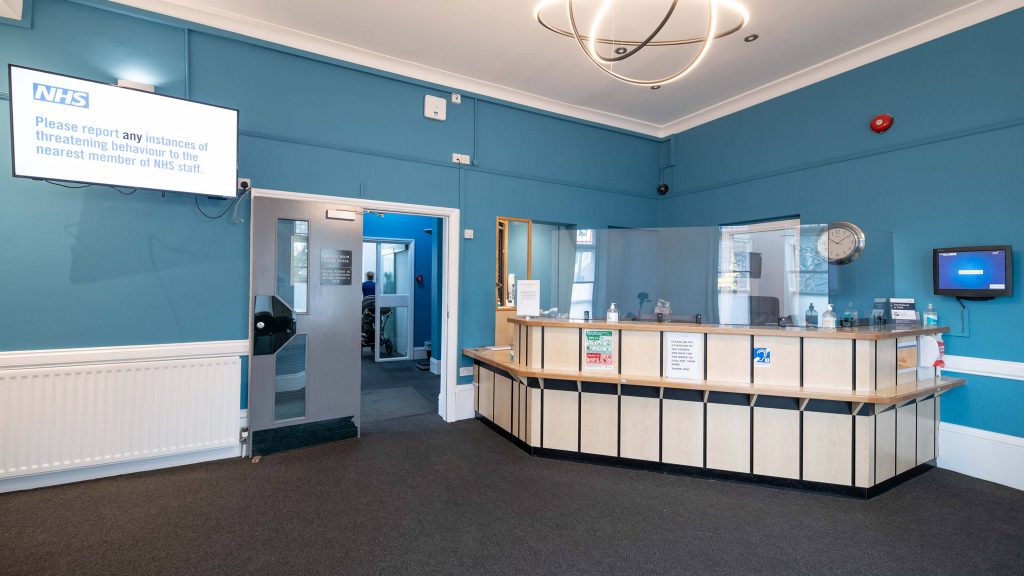
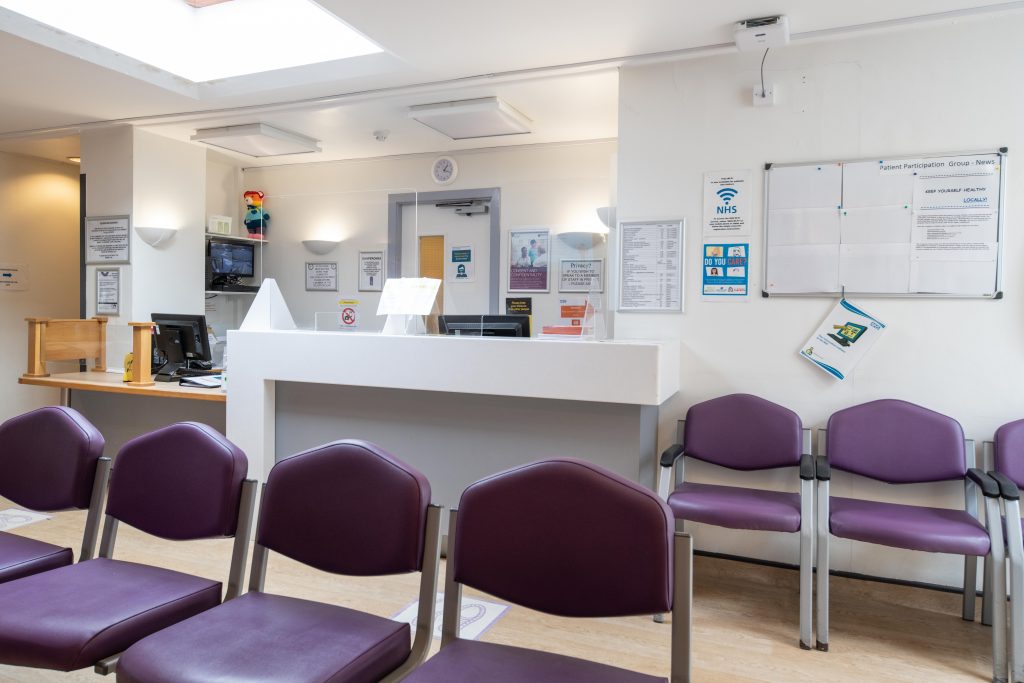
If you’re on the early shift and start on the front desk, your day begins by opening the site you’re based at. This includes turning on the blood pressure machines, opening the clinic rooms, switching on the TV and radio, and making sure everything is ready for patients arriving at 8:00am. I like to arrive around 7:30am so I have plenty of time to get everything set up without rushing before we open.
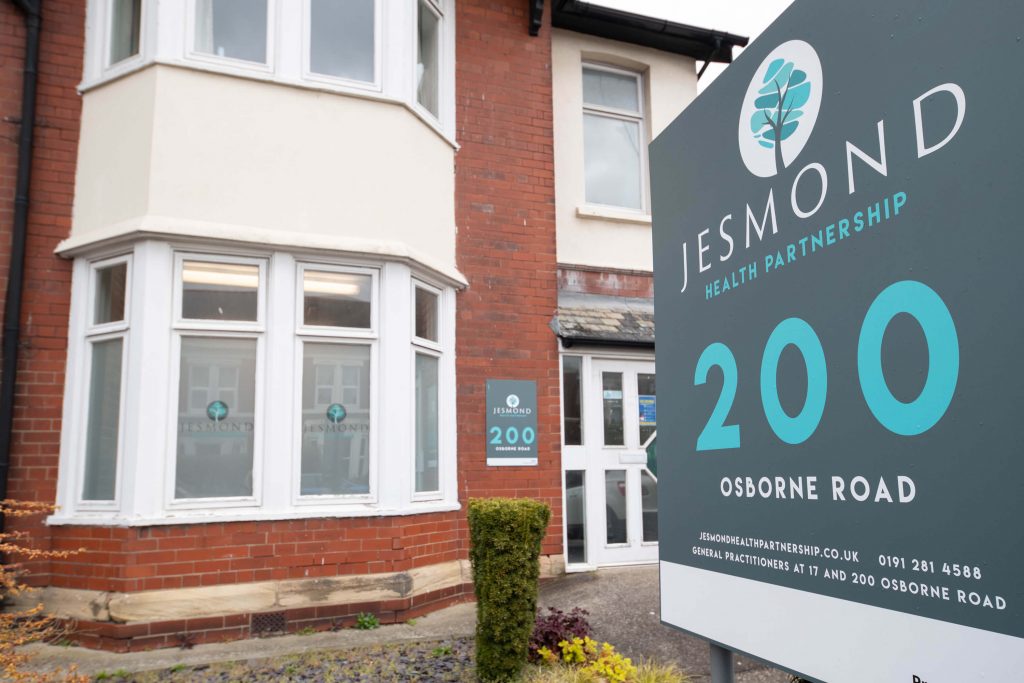
Depending on the rota, you may spend the whole day on the front desk or split your time between different roles. For example, if you’re assigned to the front desk at 200 Osborne Road you also manage AskMyGP requests that have been reviewed by the on-call GP. This could involve booking patients into GP or nurse appointments, contacting care homes, district nurses, pharmacies or hospitals, liaising with our nursing team about vaccinations or appointments, and sending requests to our administration team or practice pharmacists when needed.
On other days, you might spend the first half of your shift on the front desk before moving to another role after your break. This could include answering the telephones, completing new patient registrations, managing tasks, or scanning correspondence.
Some of the tasks we complete include processing online prescription requests, contacting patients about pathology results when a GP has requested follow-up, and passing on messages from GPs.
We process letters we receive from hospitals, pharmacies and other healthcare providers so they can be coded and filed correctly. If a letter includes a new medication or a change to an existing prescription, we also forward it to our Pharmacy Hub so the medication can be updated.
We also manage our prescription line. The receptionist based on the front desk at 17 Osborne Road listens to the voicemail recordings and actions the requests. If you’ve ever seen us wearing headphones at reception, that’s what we’re listening to!
One of the things I enjoy most about the role is the variety. Some days you stay in the same role throughout your shift, while on other days you move between roles. I personally enjoy having that variety.
If you’re working the late shift, you’re responsible for closing the site at the end of the day. This involves making sure confidential patient information is stored securely, turning off the TVs, radio and blood pressure machines, and locking up. This routine is slightly different at 200 Osborne Road, as we regularly run Enhanced Access clinics in the evenings.
Do you deal with patients from all four JHP sites?
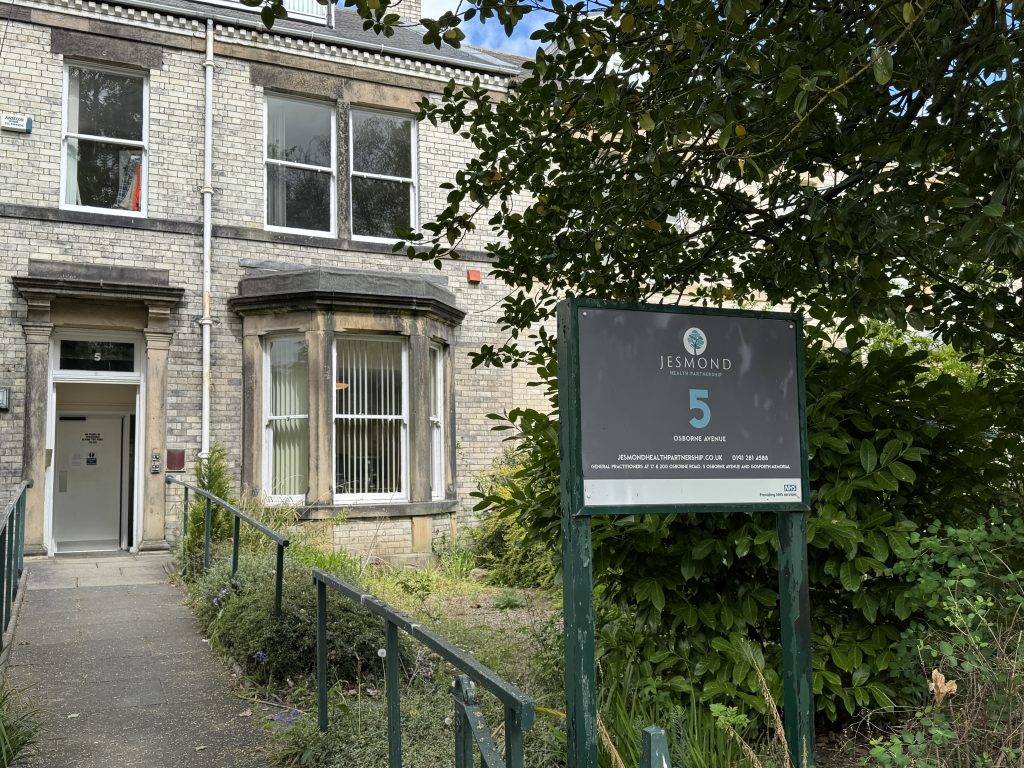
Yes, although I am usually based at our Jesmond sites.
As all of our telephone lines are connected, calls are answered by the next available receptionist. This means I speak to patients from both our Jesmond and Gosforth practices throughout the day.
Because we have access to all JHP sites on our clinical system, we can book appointments across any of the locations and help patients with their enquiries, regardless of which practice they normally attend.
I also see patients from our other sites in person. They may be attending a different surgery for a specific appointment or clinic, but because we can access their records, we’re able to provide the same help they would receive at their usual site.
What do you enjoy most about your job and what do you find most challenging?
What I enjoy most about my role is that every day is different and there is always something to be doing. I enjoy being busy and staying productive.
One of the most rewarding parts of the job is interacting with patients and knowing that even small things we do can make a difference. We understand that most people don’t contact their GP unless they have a concern or need support, and it can sometimes be a stressful or difficult time for them. Our GPs and clinical teams do an amazing job, particularly with managing same-day appointments and supporting patients as quickly as possible, and I like knowing that as part of the reception team we also play a role in helping that process run smoothly.
The most challenging part of the role is probably managing the telephone lines during our busiest periods, such as first thing in the morning or particularly busy times of the year, such as around Christmas. We always aim to answer calls and support patients as quickly as we can, but it can be challenging when there is a high volume of calls and you can see the queue building. We never want patients to feel they are waiting longer than necessary, but it is also important that we take the time to properly understand each patient’s query and make sure we provide the right support.
Have Your Say! Join our PPG!
You may not be aware of it, but your views as a patient, are already being represented to JHP staff.
JHP has had a Patient Participation Group since its founding in 2019.
Made up of volunteer patients and carers, we support the practice in putting patients, and their health and fitness at the heart of all JHP does.
The PPG Steering Committee meets bi-monthly with our Practice Manager and other JHP staff. We discuss practice issues, receive practice/NHS updates,and provide patient feedback.
We act as a sounding board for new ideas, ensuring that JHP is patient-centred, and fostering better communication and a collaborative approach to healthcare.
Notes of our discussions are shared on the PPG webpages. The PPG relies on patient involvement For details go to jesmondhealthpartnership.co.uk/ppg
It’s Flu Season!
Time to protect yourself, your family and the wider community from a simple infection that can be life threatening.
People over 65 and the vulnerable are eligible for free vaccinations, available from JHP or local pharmacies.
Flu vaccinations are also available for others for a small fee.
Last year 6 in 10 under 65’s who were clinically at higher risk didn’t have their vaccines. Let’s change that this year.
Check the our guide to Vaccine Season or your local pharmacy for detailed information and act now to stay well and strong.

Did you know?
All of our surgery sites have tales to tell and below you will find out how Gosforth Memorial Medical Centre got its name. If you have any interesting facts to share about any of our sites, please let us know.
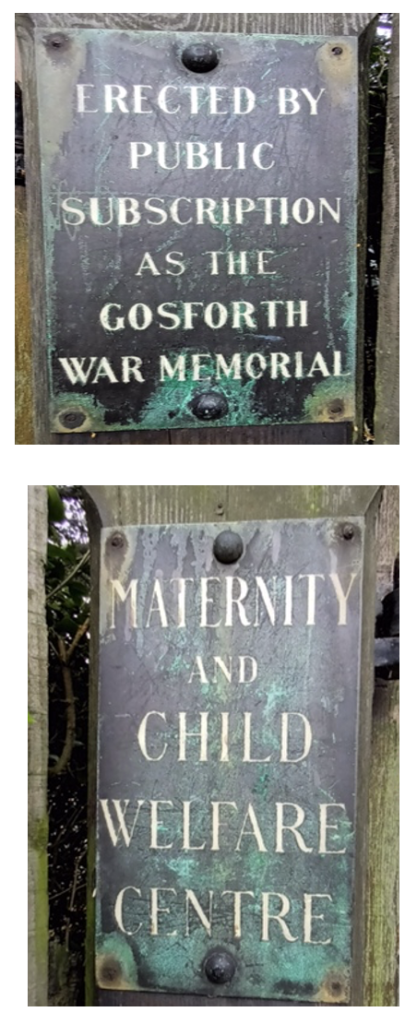
How did Gosforth Memorial Medical Centre get its name?
The one storey building on Church Road, Gosforth, which now houses the GP Practice and some NHS clinics is indeed the actual War Memorial for Gosforth. Instead of creating a traditional stone column, the people of Gosforth subscribed £4,000 towards the building of a Health Clinic.
This was seen as a way of improving public health and wellbeing, and would serve as a more ‘living’ memorial to those men of Gosforth who fell in the First World War.
The foundation stone was laid in 1924 and the building formally opened as a Maternity and Child Welfare Clinic in 1925. The Duke of Northumberland, military officers and many local people attended.
The building was designed to blend in with the surrounding area; internally, it comprised separate areas for clinical and administrative work.
The main gateposts still bear the original signage: on the left, ‘Maternity and Child Welfare Centre’ and on the right, ‘Erected by Public Subscription as the Gosforth War Memorial’.
Inside the part of the building housing the NHS clinics, a large brass plaque bears all the names of the 274 men who died in the Great War.
Other plaques show the names of donors to the building.
The current sandstone pillar in the middle of Gosforth Central Park, now the focus of Remembrance ceremonies, was originally in the grounds of the clinic. It was moved to the park to become the war memorial when the original bandstand was taken down.