
Prostate Cancer: Risks, Symptoms, and When to See Your GP
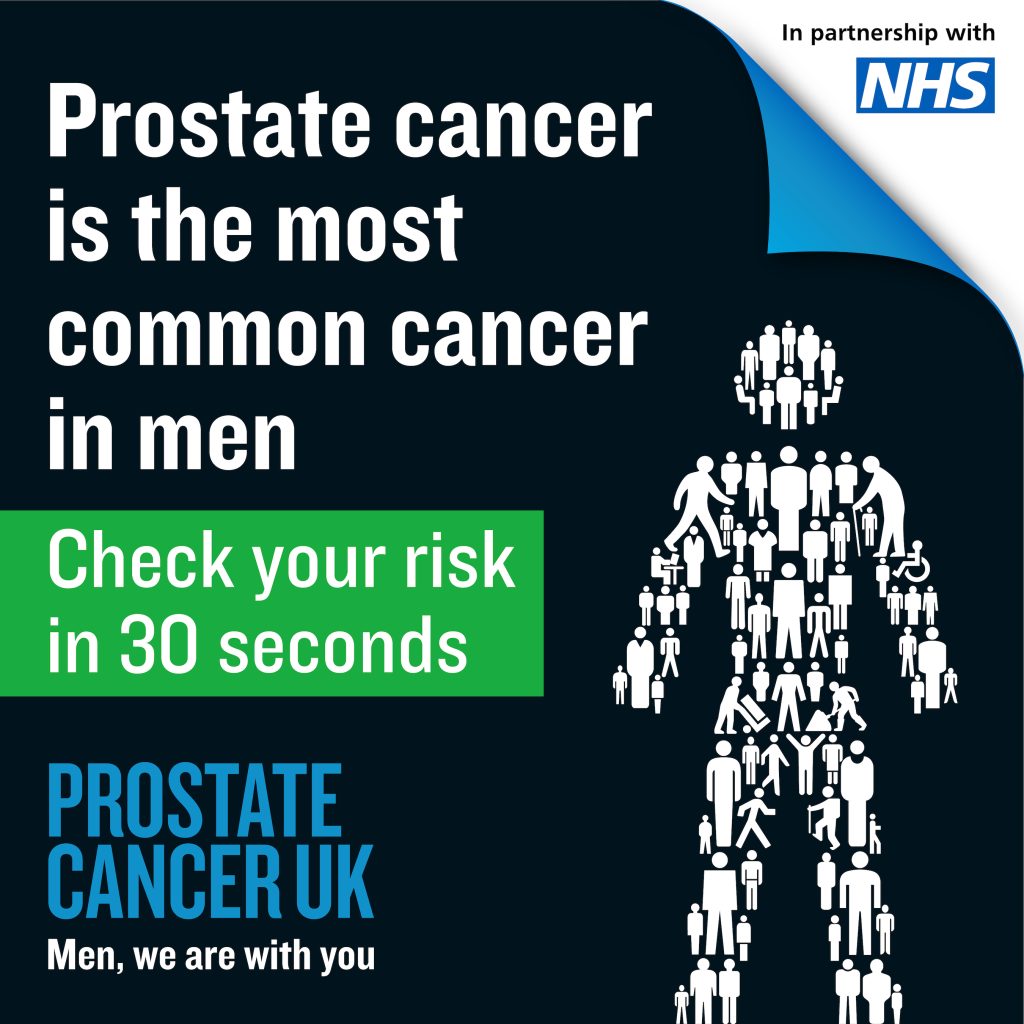
March is Prostate Cancer Awareness Month. It is a good time to learn about your risk and what you can do. Prostate cancer is now the most common cancer in men in the UK.
Many people live long lives after treatment, especially when it is found early. Knowing the facts can help you feel more in control.
What is the Prostate and Prostate Cancer?
The prostate is a small gland that sits below the bladder. It helps make semen. Prostate cancer happens when cells in the prostate grow in a way they should not. Some prostate cancers grow very slowly and may not cause harm for many years. Others grow faster and need treatment.
In the early stages, there are often no symptoms. This is why it is important to understand your risk, even if you feel well.
Who’s Most at Risk?
Your chances of prostate cancer go up if you:
- 🎂 Are older – especially aged 50 and over.
- 🧬 Have a family history – especially a father or brother with prostate cancer.
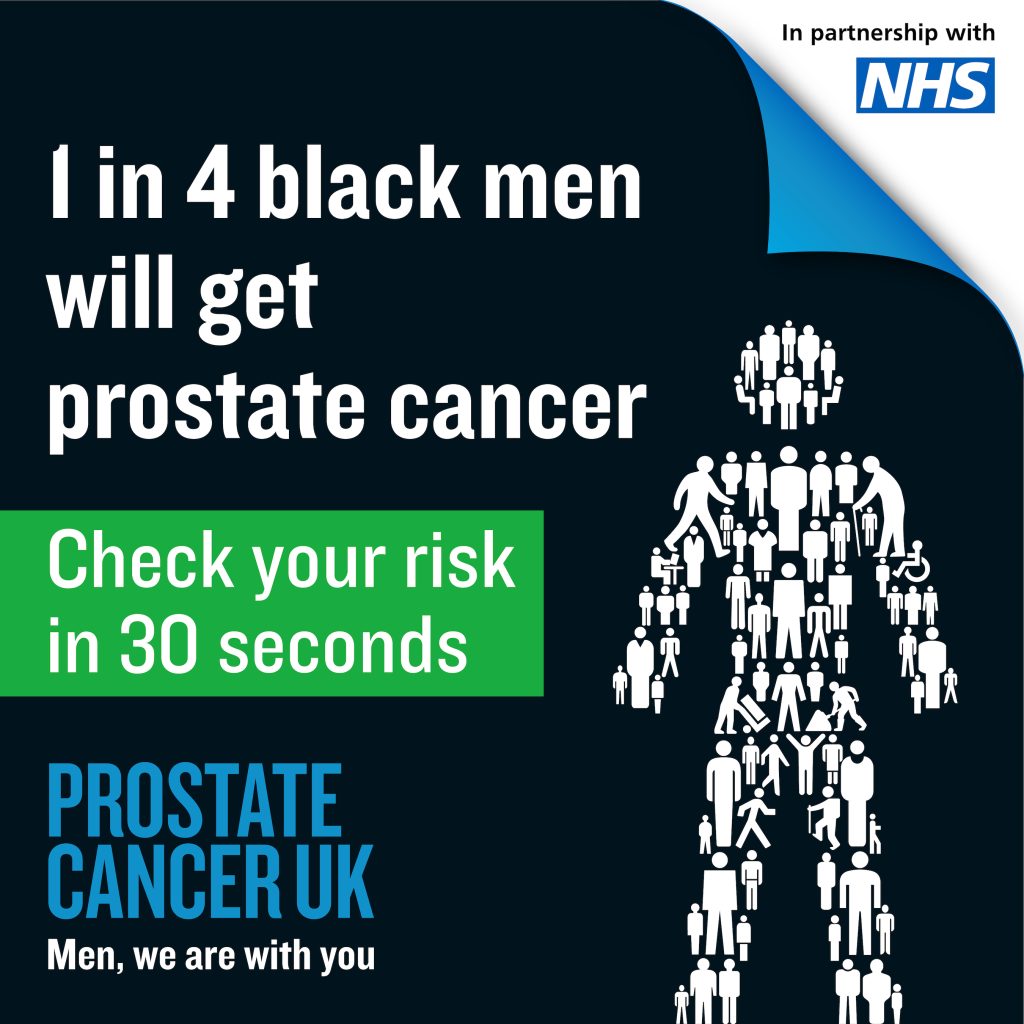
- 🌍 Are Black – Black men have a higher risk than other groups.
- ⚖️ Have higher body weight – being very overweight may be linked to more aggressive prostate cancer.
It can also affect trans women and non-binary people assigned male at birth.
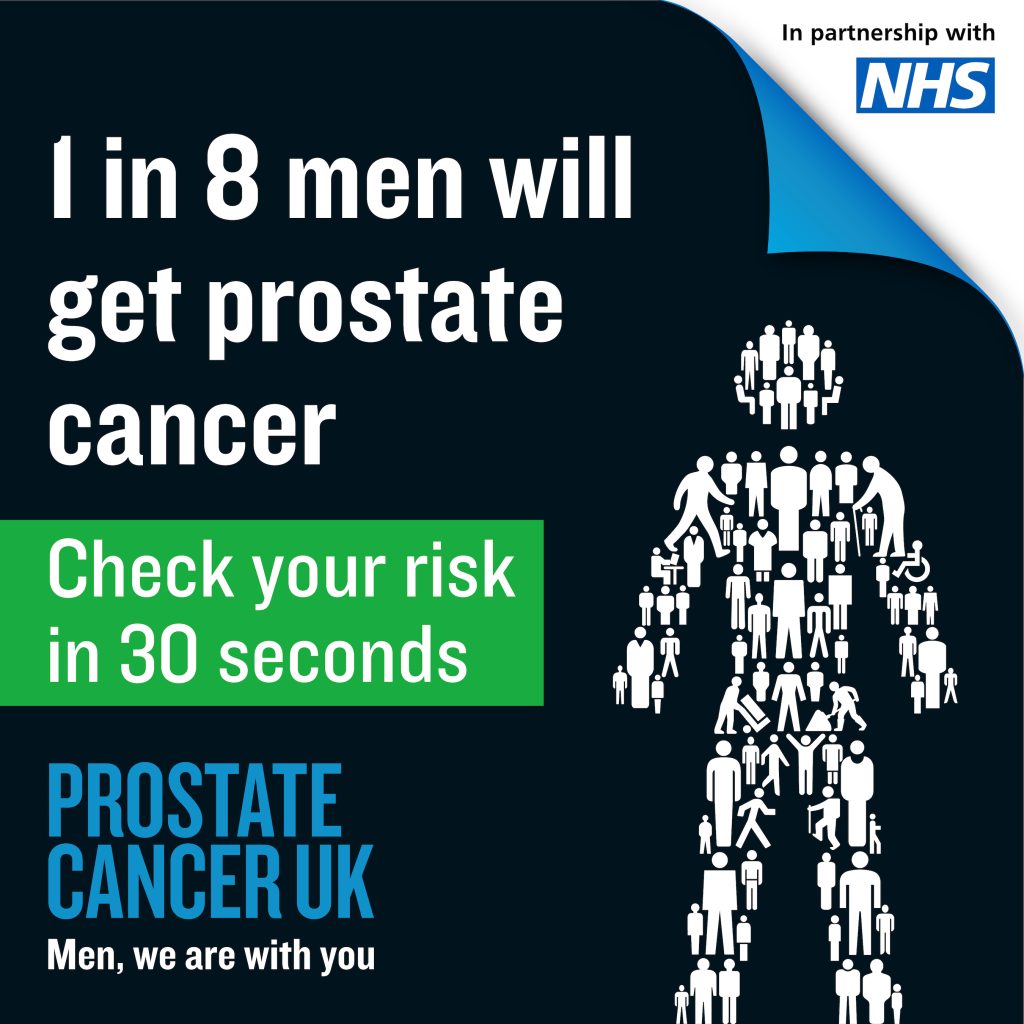
You can check your risk in 30 seconds using Prostate Cancer UK’s Risk checker.
What Are the Common Signs to Look Out For?
Many people have no symptoms at first. When symptoms do happen, they are often linked to problems passing urine
- 🛏️ Peeing more often, especially at night
- 🚽 Trouble starting to pee or a weak flow
- 🚿 Feeling like your bladder didn’t empty fully
- 🩸 (Less common) Blood in pee or semen
Even if these signs are due to non-cancerous prostate problems, it’s important to get them checked by your GP.
How Do Checks and Tests Work?
There’s currently no national screening programme in the UK for all men. This means there isn’t a routine test automatically offered to every man. But you can still request checks.
🩸 PSA Blood Test
- It measures the prostate-specific antigen (PSA) level in your blood.
- Higher levels can suggest prostate problems, including cancer.
- It’s available on the NHS if you ask your GP — especially if you’re over 50 or at higher risk.
🧠 Talk to Your GP Early
If you have symptoms at any age, do not wait. See a GP as soon as you can. If your PSA level is raised, or your GP has concerns, you may be referred for more tests.
These can include an MRI scan and sometimes a biopsy. These tests help specialists see if cancer is present and how best to manage it.
What Should You Do and When?
Here’s a simple guide:
🟦 Age 50 and over – start thinking about your prostate health. Talk to your GP about PSA testing.
🟩 Black men or those with family history – consider having the conversation from age 45.
🟨 If you notice symptoms – book a GP appointment right away.
🟧 Worried about PSA results – keep in regular contact with your GP and specialist. They can explain what your results mean.
Living Well and Reducing Risk
There’s no guaranteed way to prevent prostate cancer. But steps that support general health may help:
- 🚶♂️ Stay active
- 🥦 Eat a balanced diet
- ⚖️ Maintain a healthy weight
- 🚭 Avoid tobacco and limit alcohol
Being proactive about your health gives you the best chance of catching problems early when they’re easier to treat.
Support and Talking About It
Prostate cancer can feel scary to talk about — but starting conversations helps break down stigma. March’s awareness month is a great time to talk with partners, friends, or family about your health and encourage them to do the same.
If you or a loved one need support or information, organisations like Macmillan offer free advice and support services.
Prostate cancer is common — but many people live long, healthy lives after diagnosis, especially when it’s found early. By knowing your risk, listening to your body, and talking to your doctor, you’re taking important steps to protect your health.